

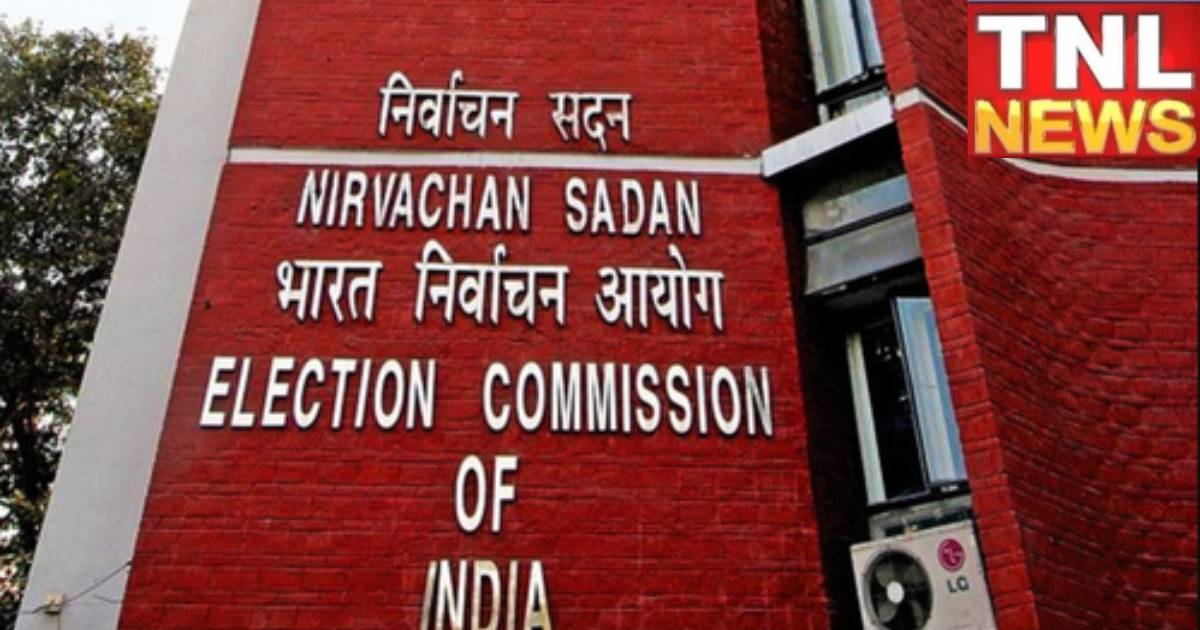
The Election Commission of India (ECI) has issued stringent guidelines barring the broadcast and display of election-related content during the designated “silence period” ahead of polling in several states, as part of the 2026 Assembly elections and bypolls.
Earlier, the poll panel had announced elections to the legislative assemblies of Assam, Kerala, Puducherry, Tamil Nadu and West Bengal, along with bypolls in eight constituencies across Goa, Gujarat, Karnataka, Maharashtra, Nagaland and Tripura. As polling dates draw closer, the Commission has reiterated legal provisions to ensure a level playing field.
Under the Representation of the People Act, any form of election-related content—including discussions, appeals, or material that could influence voters—is strictly prohibited in polling areas during the 48 hours leading up to the close of voting. This timeframe, known as the “silence period,” will vary depending on each state’s polling schedule.
In Assam, where voting is scheduled for April 9, the restriction will come into effect from the evening of April 7 and continue until the conclusion of polling. Similar measures will apply in Kerala and Puducherry on the same date, while Tamil Nadu and West Bengal will observe the silence period ahead of their respective polling phases later in April.
The Commission has also directed television channels, radio stations, and digital platforms to remain cautious during this period. It warned that even panel discussions or debates that appear to support or criticise any political party or candidate could be deemed a violation if they are seen as influencing voters. The restrictions also cover the publication or broadcast of opinion polls within the prohibited window.
Additionally, the ECI has imposed a nationwide ban on exit polls. Media organisations are barred from conducting or publishing exit poll results from the morning of April 9 until the evening of April 29, covering the full election cycle.
Officials have cautioned that violations of these rules could lead to strict penalties, including imprisonment of up to two years, fines, or both.