

Elections in Assam, Kerala and Puducherry will be conducted in a single phase on April 9, while polling in Tamil Nadu and West Bengal will begin on April 23. West Bengal will have a two-phase election, with the second phase scheduled for April 29. The counting of votes for all states will take place on May 4 (Monday), marking the start of a politically significant electoral season widely viewed as a test of the influence of Narendra Modi against strong regional leaders.
The upcoming elections are expected to serve as a mid-term test for the ruling National Democratic Alliance (NDA), which recently secured major victories in Bihar and Delhi. Incumbent governments in several states will face scrutiny, while issues such as language politics, Centre–state relations and immigration are likely to dominate the campaign narratives.
The elections in Tamil Nadu, West Bengal and Kerala also provide an opportunity for the Bharatiya Janata Party (BJP) to challenge the perception that it remains largely a “North Indian party.” So far, the party’s most notable success in the South has been in Karnataka. In Kerala, the BJP will face a strong contest from the Congress-led United Democratic Front (UDF) and the ruling Left Democratic Front (LDF) led by Chief Minister Pinarayi Vijayan.
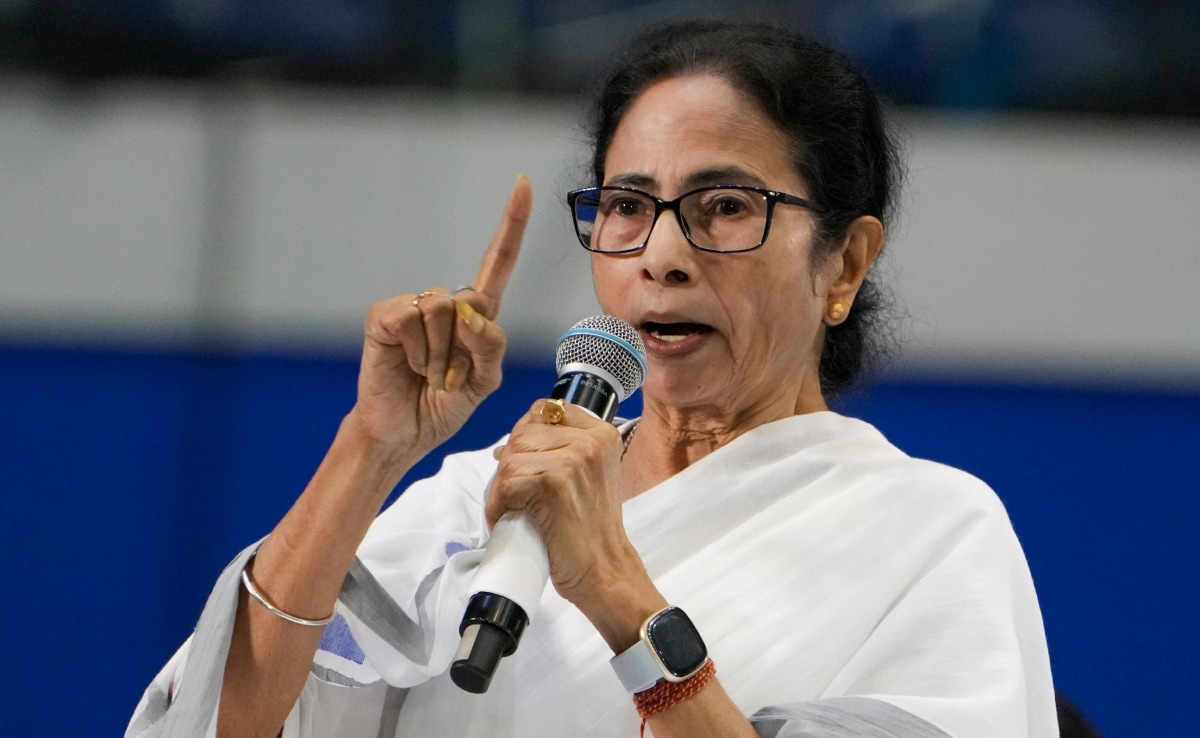
However, the political spotlight is expected to remain on West Bengal, where the BJP has emerged as the principal opposition but has yet to significantly weaken the dominance of Chief Minister Mamata Banerjee.
WEST BENGAL ELECTIONS 2026
The crucial Assembly elections in West Bengal will take place on April 23 (Thursday) and April 29 (Wednesday). In the first phase, 152 constituencies across 15 districts will vote. These districts include Darjeeling, Kalimpong, Jalpaiguri, Alipurduar, Cooch Behar, Uttar Dinajpur, Dakshin Dinajpur, Malda, Murshidabad, Birbhum, Paschim Bardhaman, Bankura, Purulia, Paschim Medinipur, Purba Medinipur and Jhargram.
The second phase will cover 142 constituencies, including those in the state capital, Kolkata. The counting of votes will take place on May 4.
West Bengal is expected to be one of the most closely watched elections. “Highlights from a euphoric rally in Kolkata yesterday! It’s clear West Bengal is supporting BJP,” PM Modi tweeted just minutes before the poll schedule was announced, highlighting the political importance of the state.
Chief Minister Mamata Banerjee also made key announcements ahead of the elections, including the release of Dearness Allowance (DA) for thousands of state government employees and an increase of Rs 500 in the monthly financial assistance provided to priests and muezzins. With the revision, the beneficiaries will now receive Rs 2,000 per month.
In the 2021 Assembly election, the BJP secured 77 seats, while the All India Trinamool Congress (TMC) won a dominant 213 seats and retained power. The party will now aim to secure a fourth consecutive term in office. However, the BJP faces a challenging task in attempting to dislodge Mamata Banerjee, popularly known as “Didi.”
Banerjee’s extensive welfare initiatives—including schemes such as Lakshmir Bhandar, Duare Sarkar and Kanyashree—have helped consolidate strong support, particularly among rural voters and women.
At the same time, her tenure has faced controversies, including the rape and murder of a doctor at RG Kar Medical College and Hospital and the land grab and sexual assault allegations linked to Sandeshkhali.
The elections will also determine the future of the Indian National Congress and the Left parties in the state. In the 2021 Assembly polls, it was the first time in West Bengal’s history that neither the Congress nor the Left managed to win a single seat in the state Assembly.