

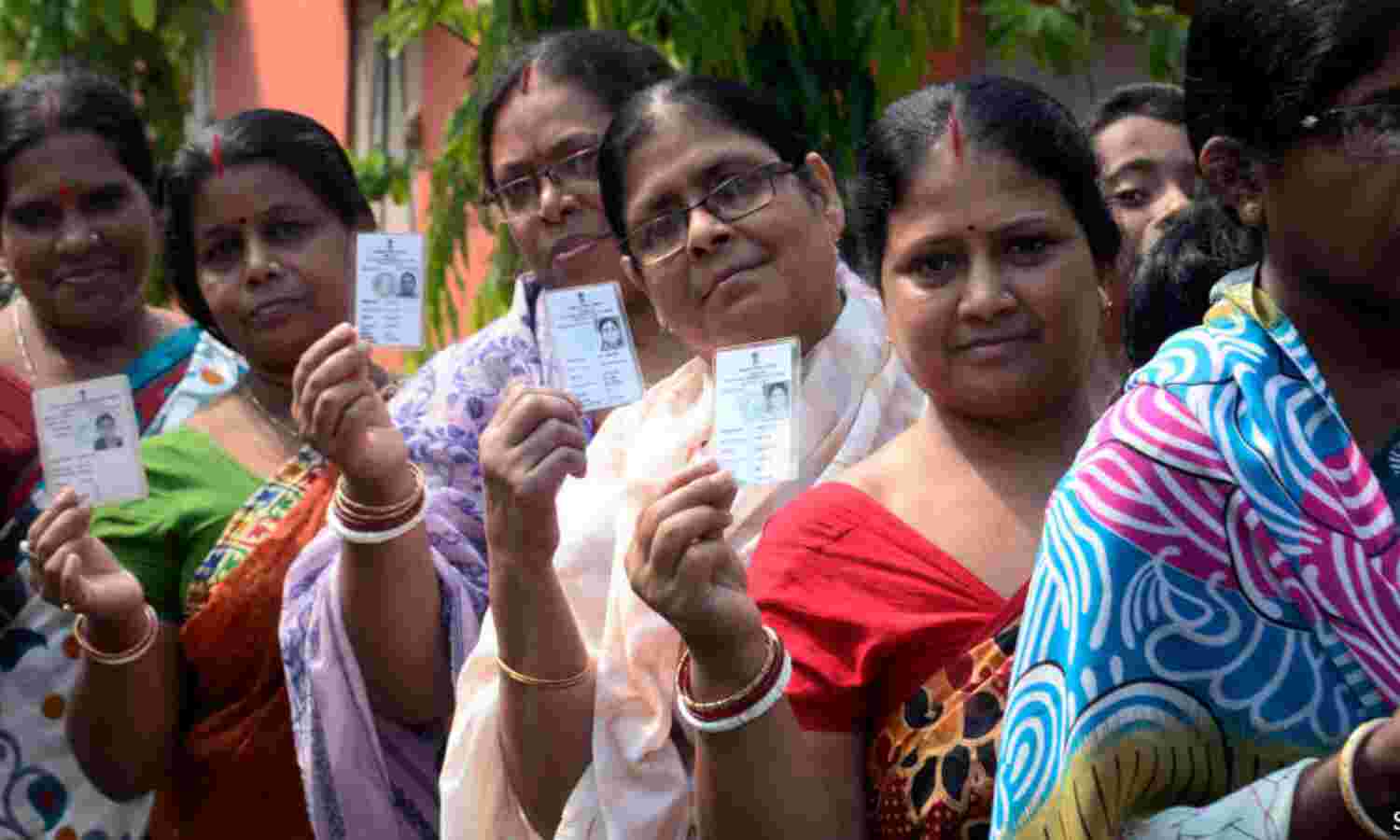
The 2026 Assam Assembly elections mark an important shift in the state’s political landscape, as they will be the first polls held after the delimitation exercise carried out by the Election Commission of India in 2023. The process has redrawn constituency boundaries and introduced new names, reflecting demographic and administrative changes across Assam.
Assam Assembly poll dates 2026
The elections will be held as per the following schedule:
Polling date: April 9, 2026
Counting of votes: May 4, 2026
A total of 126 Assembly constituencies will go to the polls.
first elections after delimitation exercise
These elections will be the first since the delimitation exercise finalised on August 11, 2023. The process involved consultations with political parties, civil society groups, and the public, with over 1,200 suggestions received. Nearly 45 percent of these were incorporated into the final framework.
While the total number of seats remains unchanged—126 Assembly and 14 Lok Sabha constituencies—the exercise introduced major structural changes.
key changes introduced by delimitation
The redrawing of constituencies was aimed at improving representation and administrative efficiency. Key highlights include:
SC reserved seats increased from 8 to 9
ST reserved seats increased from 16 to 19
Seats in the Bodoland region increased from 11 to 15
Renaming of 19 Assembly constituencies and one parliamentary constituency
Introduction of paired constituency names such as Darrang-Udalgiri and Hajo-Sualkuchi
These changes reflect population growth, regional diversity, and administrative requirements.
full list of renamed assembly constituencies
The following constituencies have been renamed:
Mankachar → Birsing Jarua
South Salmara → Mankachar
Manikpur → Srijangram
Bhowanipur → Bhowanipur–Sorbhog
Rupshi → Pakabetbari
Boko (ST) → Boko–Chaygaon (ST)
Hajo (SC) → Hajo–Sualkuchi (SC)
Gobardhana → Manas
Batadraba → Dhing
Nagaon → Nagaon–Batadraba
Sootea → Nadaur
Chabua → Chabua–Lahowal
Moran → Khowang
Dima Hasao (ST) → Haflong (ST)
Algapur → Algapur–Katlicherra
Badarpur → Karimganj North
North Karimganj → Karimganj South
South Karimganj → Patharkandi
Ratabari (SC) → Ram Krishna Nagar (SC)
parliamentary constituency changes
Kokrajhar East → Kokrajhar
Kokrajhar West → Dotoma
why the delimitation was necessary
The previous delimitation in Assam was conducted in 1976, when the state had only 10 districts. By the time of the latest exercise, the number of districts had increased to 31. This expansion, along with uneven population growth, made a fresh review necessary.
The new boundaries were drawn based on population density, geographic spread, administrative convenience, and balanced representation.
impact on representation and governance
The delimitation aims to ensure fairer political representation by aligning constituencies with current population realities. It is also expected to improve governance by creating more administratively coherent regions.
The increase in reserved seats and expanded representation in the Bodoland region reflects a focus on inclusivity and balanced development.
The 2026 Assam Assembly elections will not only decide the state’s political future but also serve as a test of the new delimitation framework. With constituencies renamed and boundaries redrawn, both voters and political parties will have to adapt to a transformed electoral landscape. This restructuring is expected to strengthen democratic representation and better reflect Assam’s evolving demographic and regional dynamics.